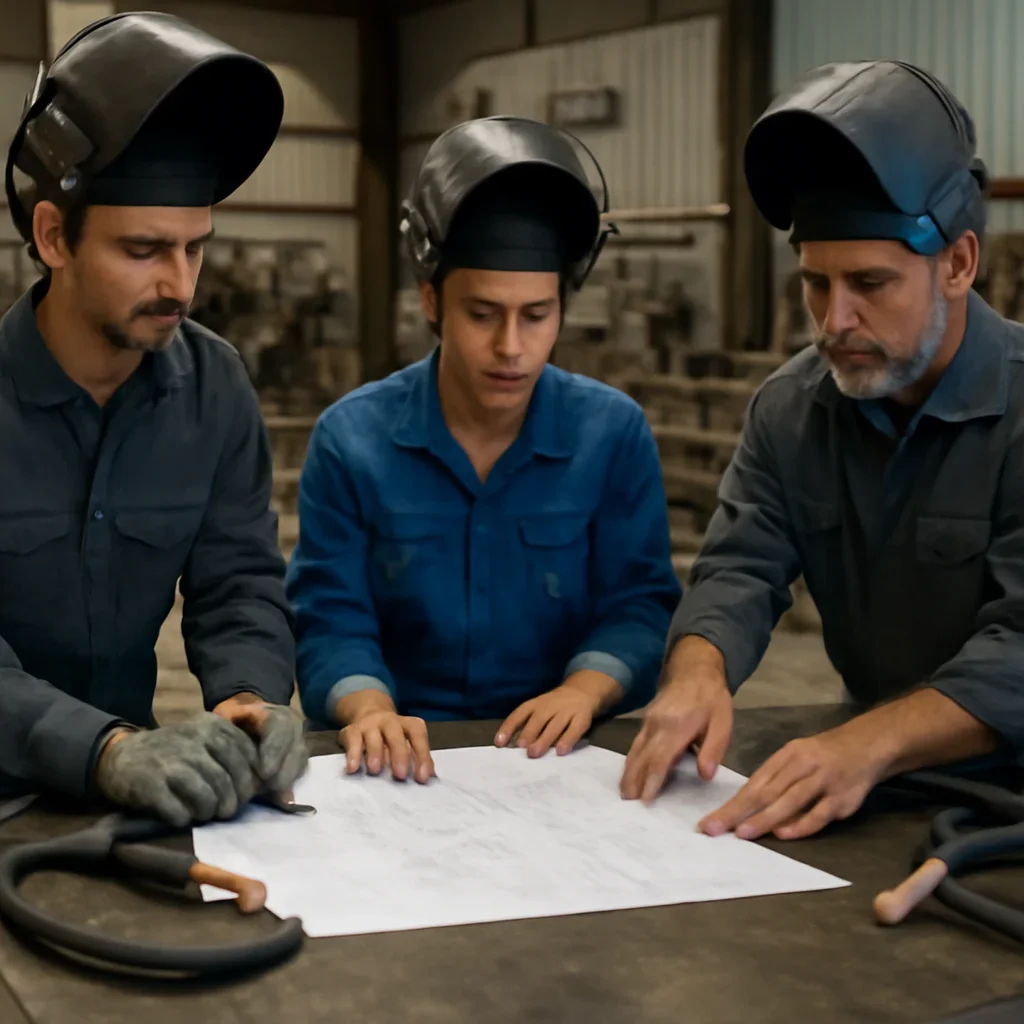
MIG and TIG welding both have a place in fabrication work, and the better option comes down to material, appearance, speed, and the function of the finished part. This comparison is designed to help buyers ask better questions and choose the option that actually fits the way the part or project will be used.
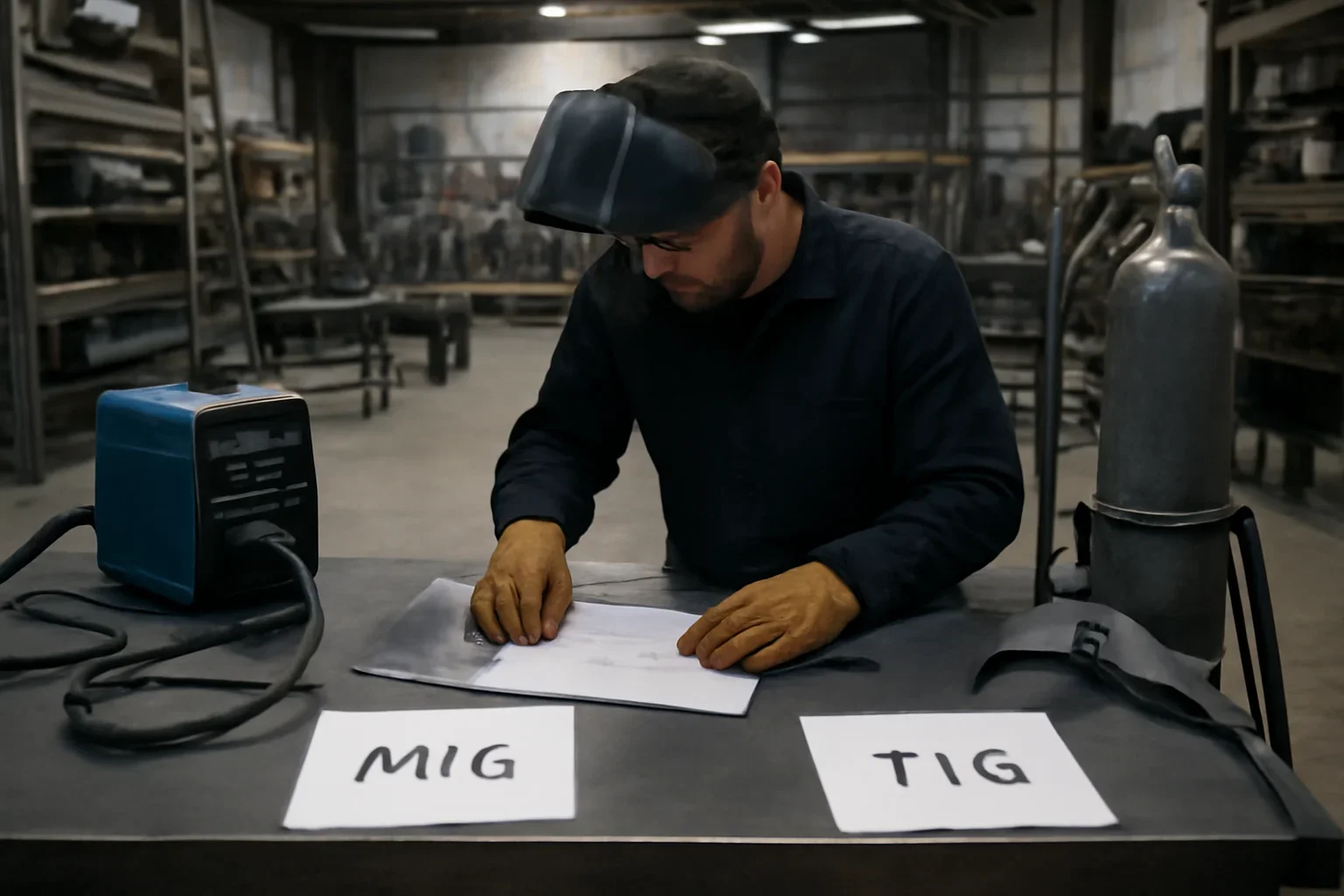
Every project has its own exceptions, but this table captures the main differences buyers usually need to understand first.
| Decision Factor | Option A | Option B |
|---|---|---|
| Speed | MIG usually moves faster on many production-minded tasks | TIG is slower, but it offers more controlled, detail-oriented work |
| Appearance | Often practical and efficient for many assemblies | Often chosen when bead appearance and precision matter more |
| Material fit | Useful across many steel and general fabrication jobs | Strong fit for thinner material, stainless, aluminum, and finish-sensitive work |
| Budget impact | Often supports a more economical production pace | Can cost more when the work is slower or more detail-driven |
Decision Tips
The best choice is rarely about one feature alone. Material, appearance, schedule, environment, and how the part will be used all matter together.
When those priorities are clear, the fabrication path becomes much easier to define.
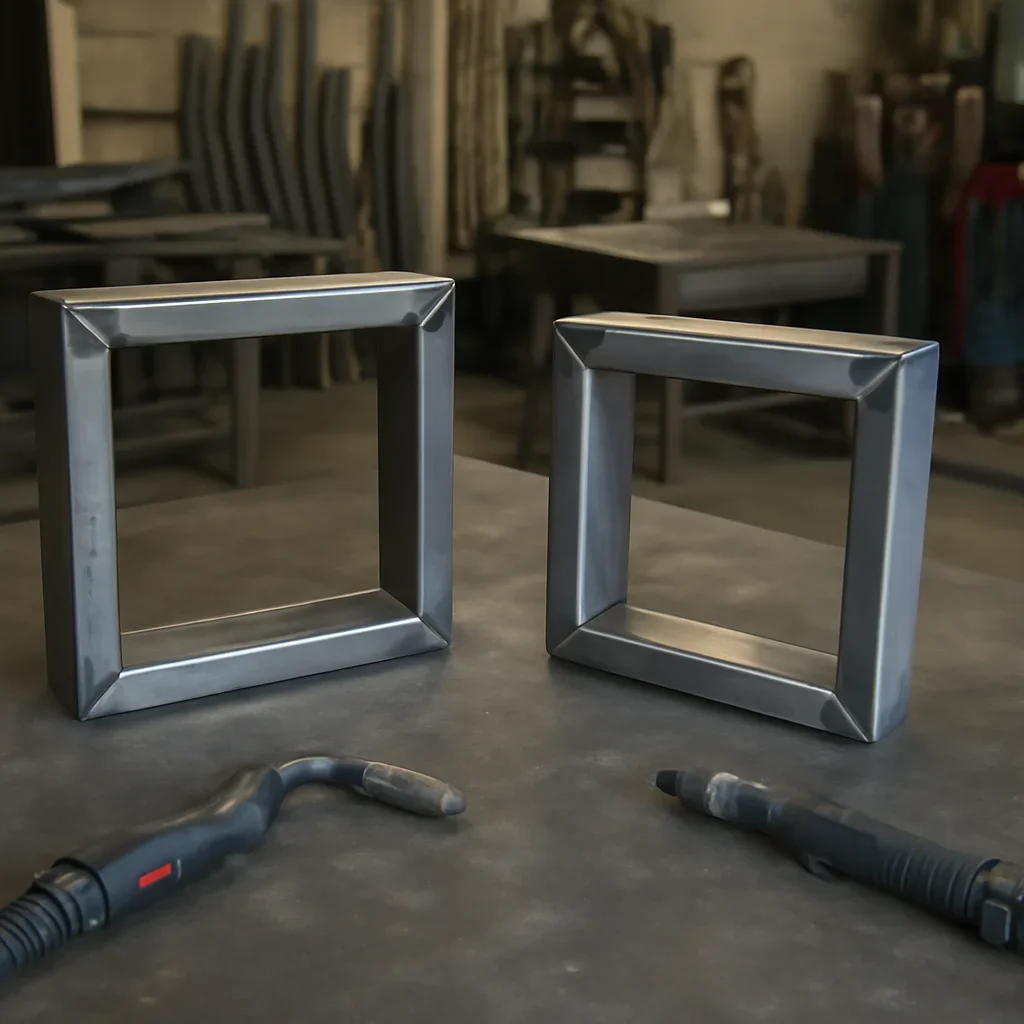
These pages help you go deeper into the service, material, or support topic connected to this comparison.
Tell us what the finished piece needs to do, where it will be used, and what matters most to the project.
We can review the scope and help you sort through the right direction.