
Steel, stainless steel, and aluminum each solve a different set of problems. The right pick depends on environment, weight, finish expectations, and how the part will be used. When buyers understand these decisions earlier, the fabrication process usually becomes simpler, faster, and easier to quote.
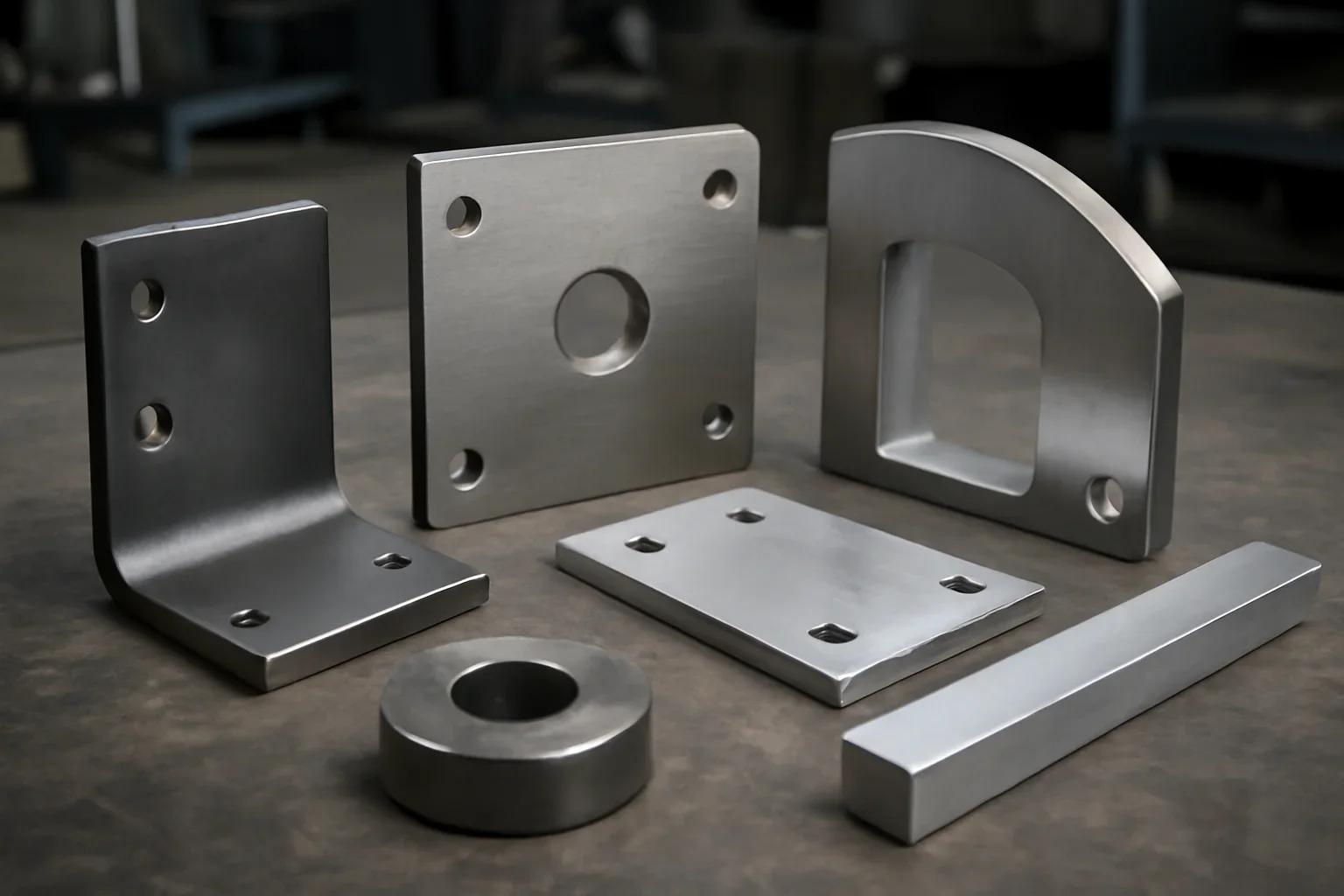
Outdoor exposure, moisture, cleaning requirements, and contact with other materials all affect which metal makes the most sense. A part that lives inside a dry space may have very different priorities than one mounted outside year-round.
Steel is often chosen for strength and versatility, stainless earns its place when corrosion resistance and a cleaner appearance matter, and aluminum stands out when lighter weight and outdoor performance are priorities.
Practical Takeaway
Cutting, bending, welding, and finishing can all influence the total project cost and the final look. Material choice should support the finished part, not just the raw stock.
A smart choice up front reduces upkeep and helps the part stay serviceable longer. Ask how the part will be cleaned, touched up, or exposed over time.
Use these related pages to keep researching or move directly into a project-specific conversation.
Tell us what you are planning and share the files, dimensions, or notes you already have.
We will review the scope and help define the next fabrication step.