
Off-the-shelf products work when the size, function, and appearance already match the job, while custom fabrication becomes more valuable as constraints and expectations increase. This comparison is designed to help buyers ask better questions and choose the option that actually fits the way the part or project will be used.
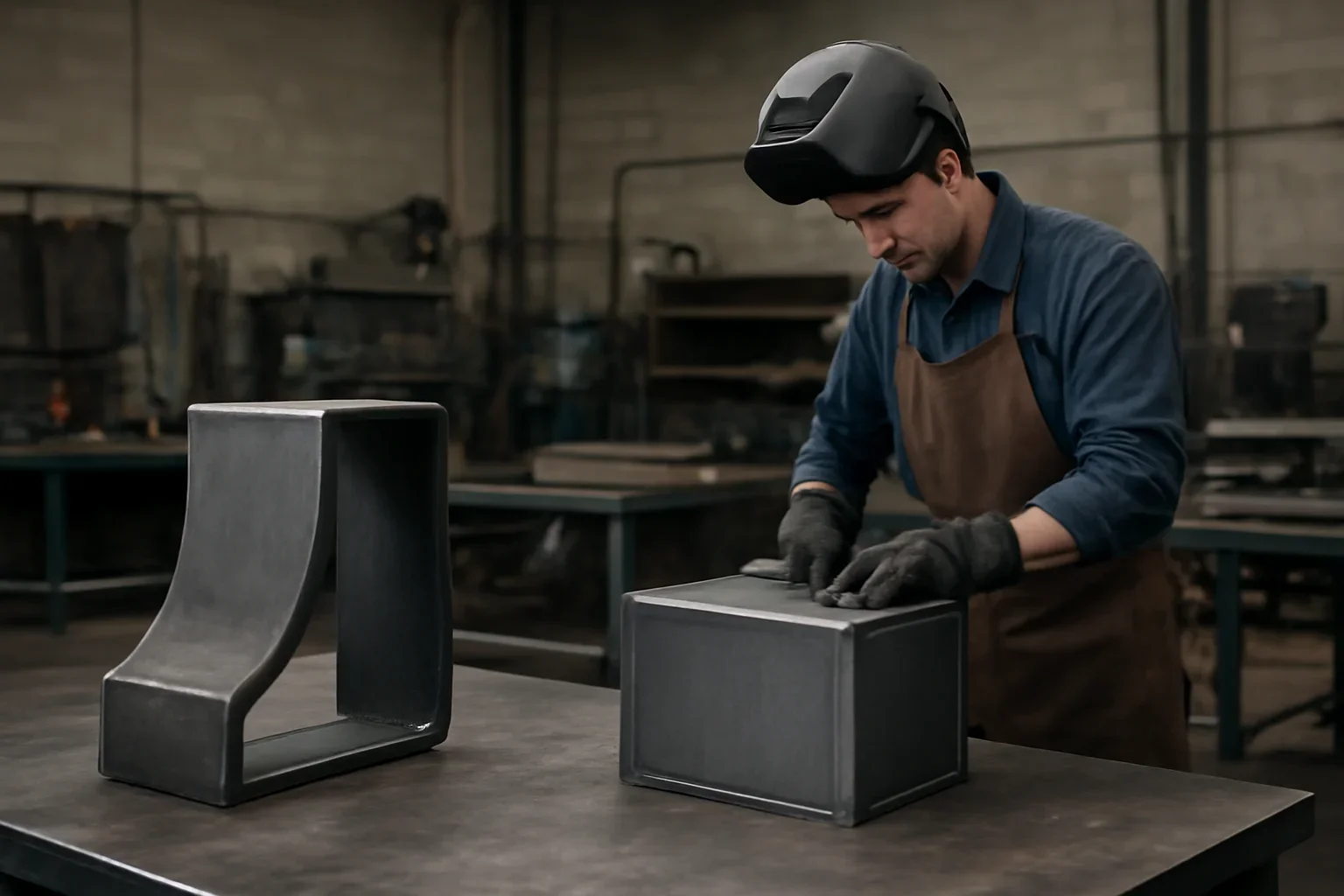
Every project has its own exceptions, but this table captures the main differences buyers usually need to understand first.
| Decision Factor | Option A | Option B |
|---|---|---|
| Speed to source | Standard products may be faster when they already fit | Custom fabrication adds review and production time, but it solves non-standard conditions |
| Fit and function | Limited to available sizes and styles | Built around the dimensions, loads, and design intent of the project |
| Appearance | Works for utilitarian needs or common applications | Better when visible details and finish quality matter |
| Long-term value | Can be economical when no adaptation is needed | Often delivers better project fit when stock options create compromises |
Decision Tips
The best choice is rarely about one feature alone. Material, appearance, schedule, environment, and how the part will be used all matter together.
When those priorities are clear, the fabrication path becomes much easier to define.
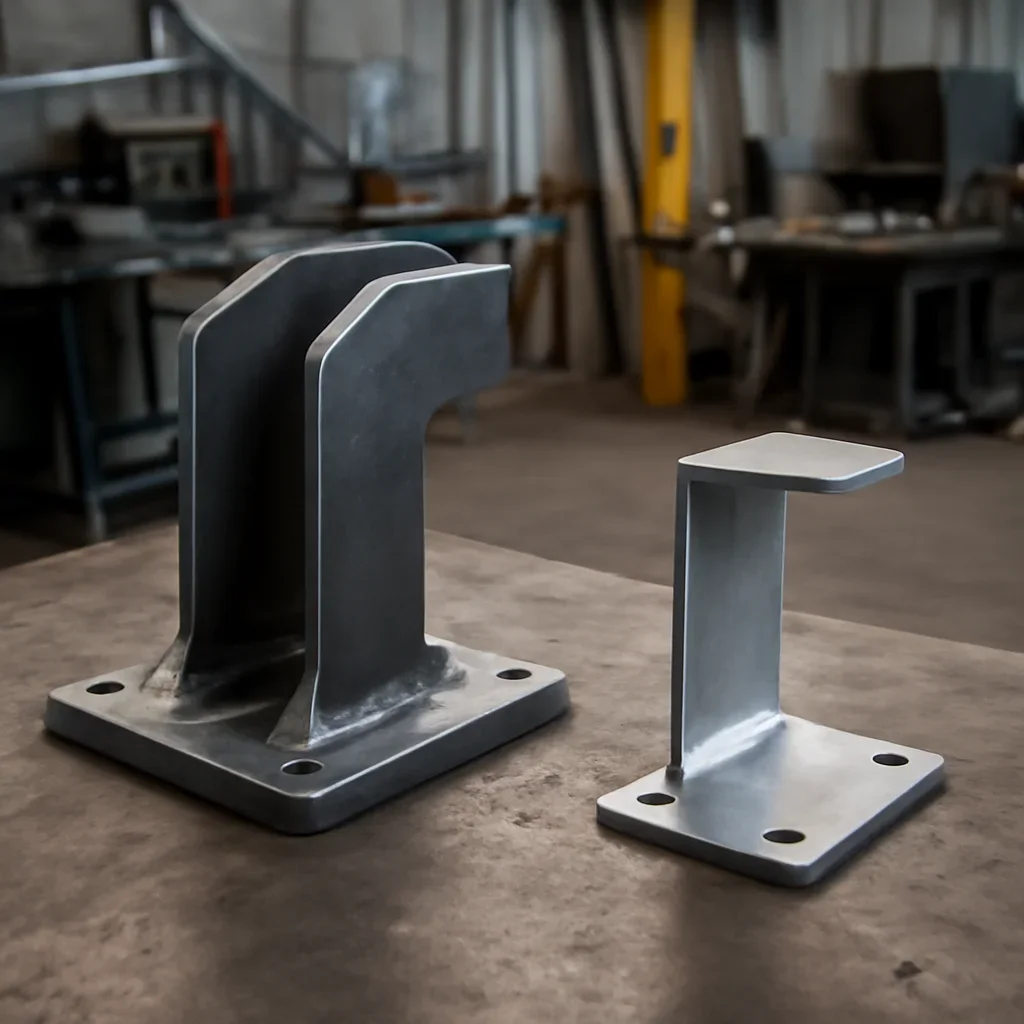
These pages help you go deeper into the service, material, or support topic connected to this comparison.
Tell us what the finished piece needs to do, where it will be used, and what matters most to the project.
We can review the scope and help you sort through the right direction.